Al comprar a través de los enlaces de nuestro sitio, podemos recibir una comisión de afiliación. Así es como funciona.

El mejor procesador para juegos
Our picks below will show you the best CPU for gaming. Of course, when shopping for the best CPU for gaming, you’ll want to balance performance and features with your budget. You can also see how all of these processors stack up in our CPU benchmarks hierarchy, and for detailed help on picking the best processor, you can check out our CPU Buying Guide. And if you’re on the fence about which CPU maker to go with, our AMD vs. Intel article dives deep into the topic and comes up with a winner.
AMD’s Ryzen 7 9800X3D is now the fastest gaming chip on the planet, and it isn’t even close — the fastest AMD CPU for gaming is a whopping 35% faster in 1080p gaming than Intel’s competing flagship Core Ultra 9 285K, and 30% faster than Intel’s previous-gen flagship, the Core i9-14900K. This chip has been hard to find, but it’s definitely worth continuing to look for.
The 9800X3D is on the pricey side with a $480 MSRP, and its limited availability often finds it selling for far higher prices, but this chip delivers the pinnacle of gaming performance. AMD’s previous-gen Ryzen 7 7800X3D is still a great buy for gaming, and we expect to see good sales on it now that it is officially a last-gen product, but it does lag the 9800X3D by 15% in gaming. However, AMD has also improved the 9800X3D’s performance in applications, giving it another advantage over the prior-gen model.
We recently reviewed AMD’s new Ryzen 9 9900X3D, but we found that the chips’ close proximity to the company’s own other gaming chips makes the price tag hard to justify. You shouldn’t opt for this chip unless we see a significant drop in pricing.
If you need bleeding-edge gaming performance and the full performance in productivity work, the higher-tier Ryzen 9 9950X3D is the chip for you. Zero compromises. That was AMD’s mission when it designed the 9950X3D; from our testing, that mission was a rousing success. The second-gen revision of 3D V-Cache propels the 16-core, 32-thread $699 Ryzen 9 9950X3D to a whole new level of gaming performance — all while preserving the full performance in productivity applications, a first for AMD’s gaming-optimized X3D chips.
AMD’s standard Ryzen 9000 models made a somewhat underwhelming debut due to lackluster gen-on-gen gaming performance improvements, but recent firmware and operating system tweaks that improved performance, not to mention some price cuts, have made them far more competitive. As such, we’ve added the Ryzen 5 9600X and Ryzen 7 9700X to our list for their strong level of gaming performance at their price points.
Here’s the shortlist of our buying recommendations — use the ‘More’ links, or just simply scroll down the page, to jump to a more detailed description of each processor and its alternatives:
Los mejores procesadores para juegos en 2025 de un vistazo (más información a continuación):
| UPC | El mejor procesador para juegos | Alternar |
|---|---|---|
| Mejor CPU para juegos: de $300 a $400 | Ryzen 7 9800X3D (Comprar) | Ryzen 7 9700X (Comprar) | Intel Core i7-14700K (Comprar) |
| Mejor CPU de gama media para juegos: de 200 a 300 dólares | Ryzen 5 9600X (Comprar) | Core i5-14600K (Comprar) | Ryzen 7 5700X3D (Comprar) |
| El mejor procesador para juegos con el mayor rendimiento: más de 400 dólares. | AMD Ryzen 9 9950X3D (Comprar) | Core i9-14900K (Comprar) |
| Mejor CPU económica para juegos: de $100 a $150 | Core i5-12400 (Comprar) | AMD Ryzen 5 5600 (Comprar) |
| Mejor CPU de gama de entrada para juegos: (iGPU) | Ryzen 5 8600G (Comprar) | AMD Ryzen 5 5600G (Comprar) |
The list below is for the best CPUs for gaming, while our list of best CPUs for workstations is for those who frequently tackle high-end content creation or professional work, while the best budget CPUs can help you find a cheap chip. Processors benefit from the best thermal paste, so check out our guide if you’re shopping for a new processor. But if you’re after the best CPU for gaming, you’re in the right place.
Mejor CPU para pruebas de rendimiento en juegos
Why you can trust Tom’s Hardware Nuestros expertos dedican horas a probar y comparar productos y servicios para que puedas elegir el mejor para ti. Descubre más sobre nuestra metodología de pruebas.
Imagen 1 de 11


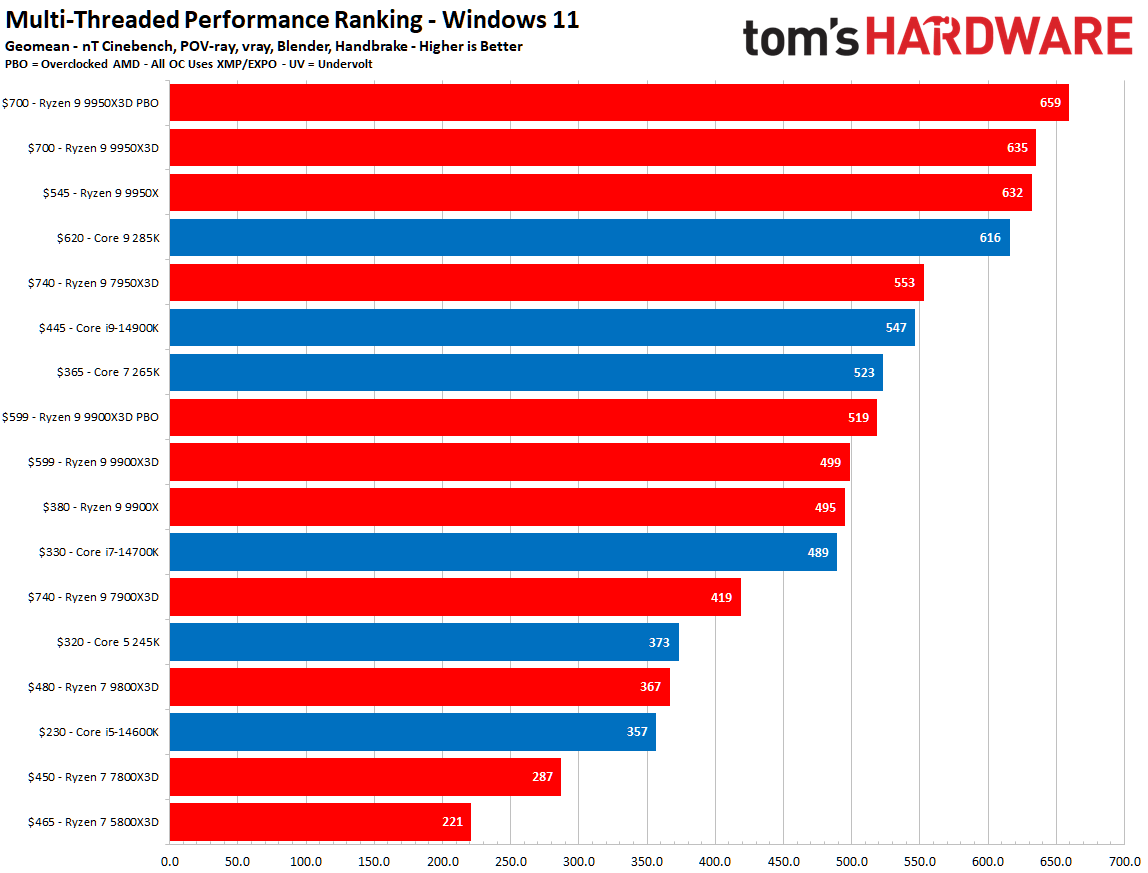
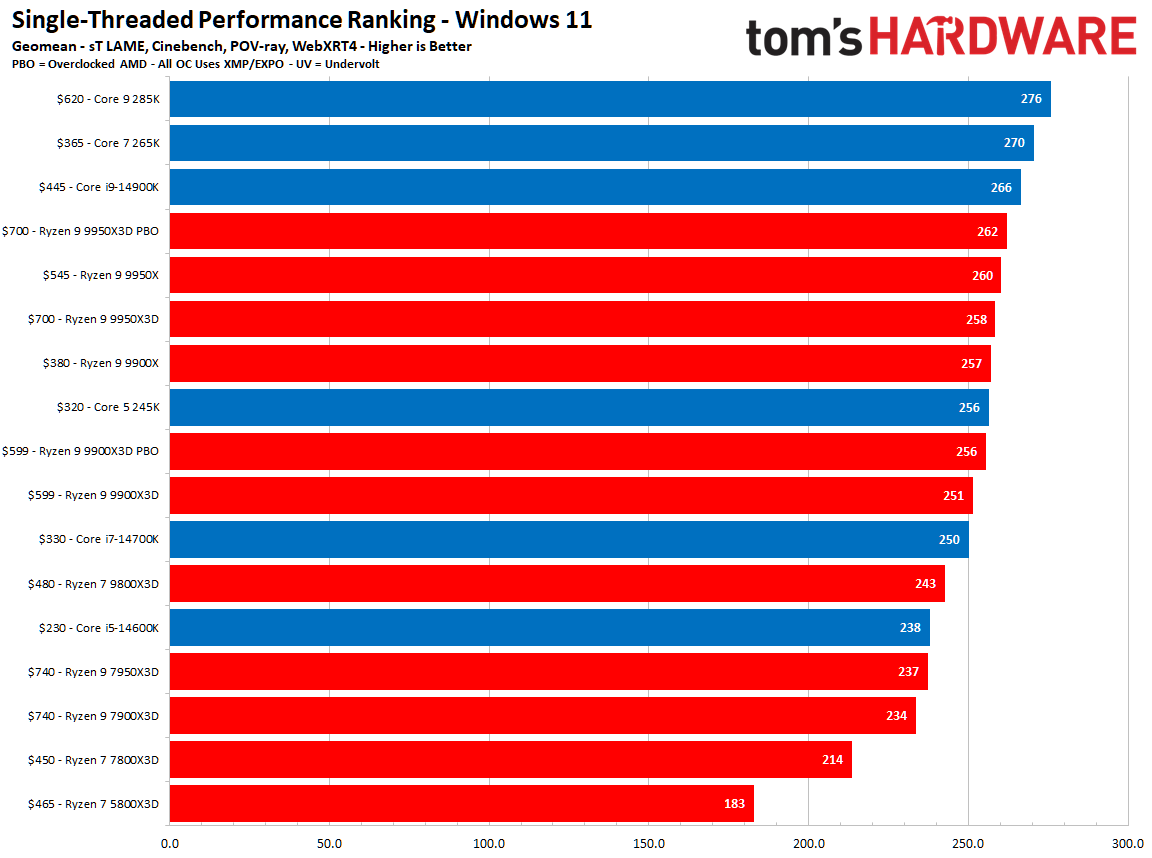
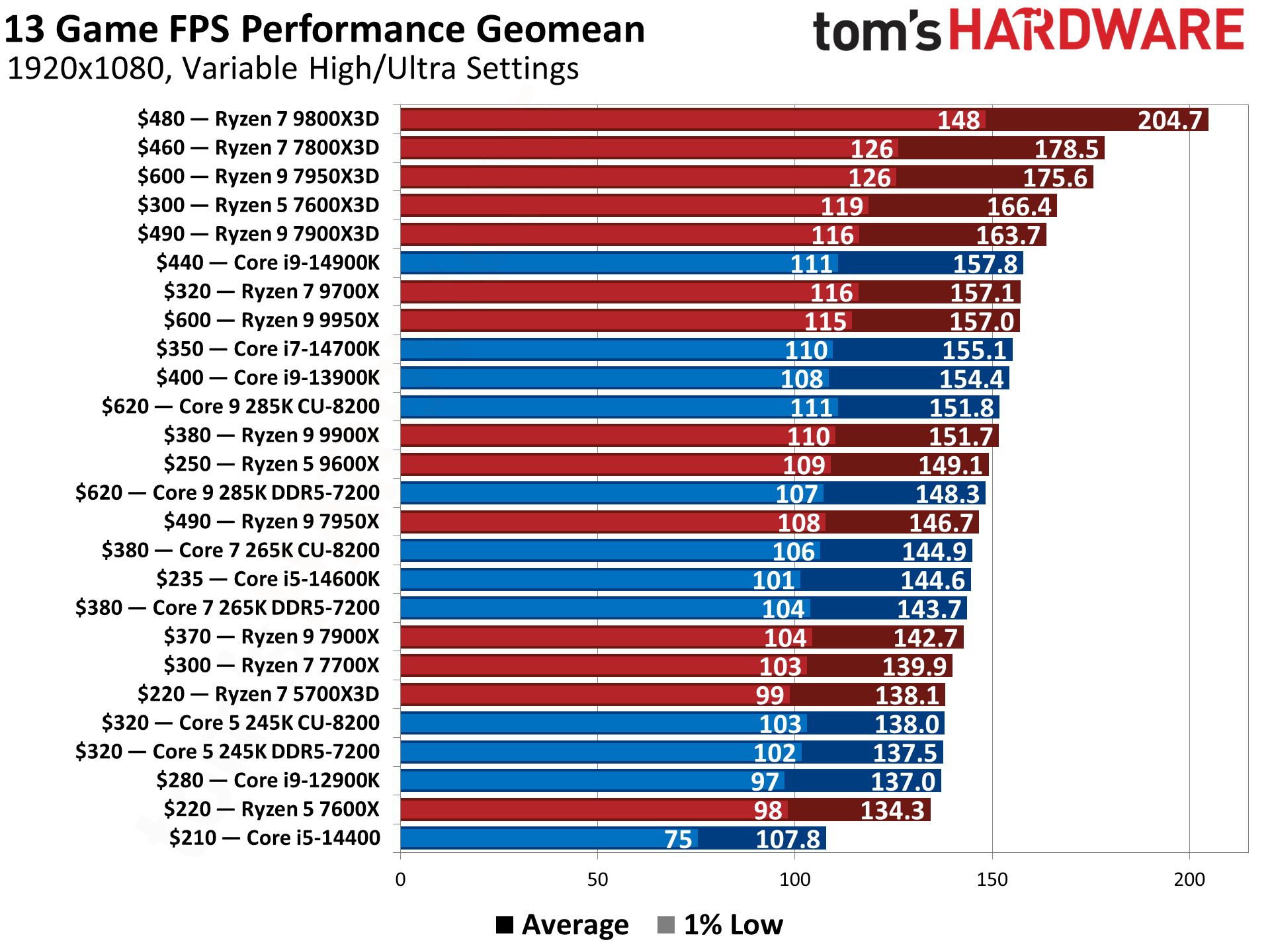
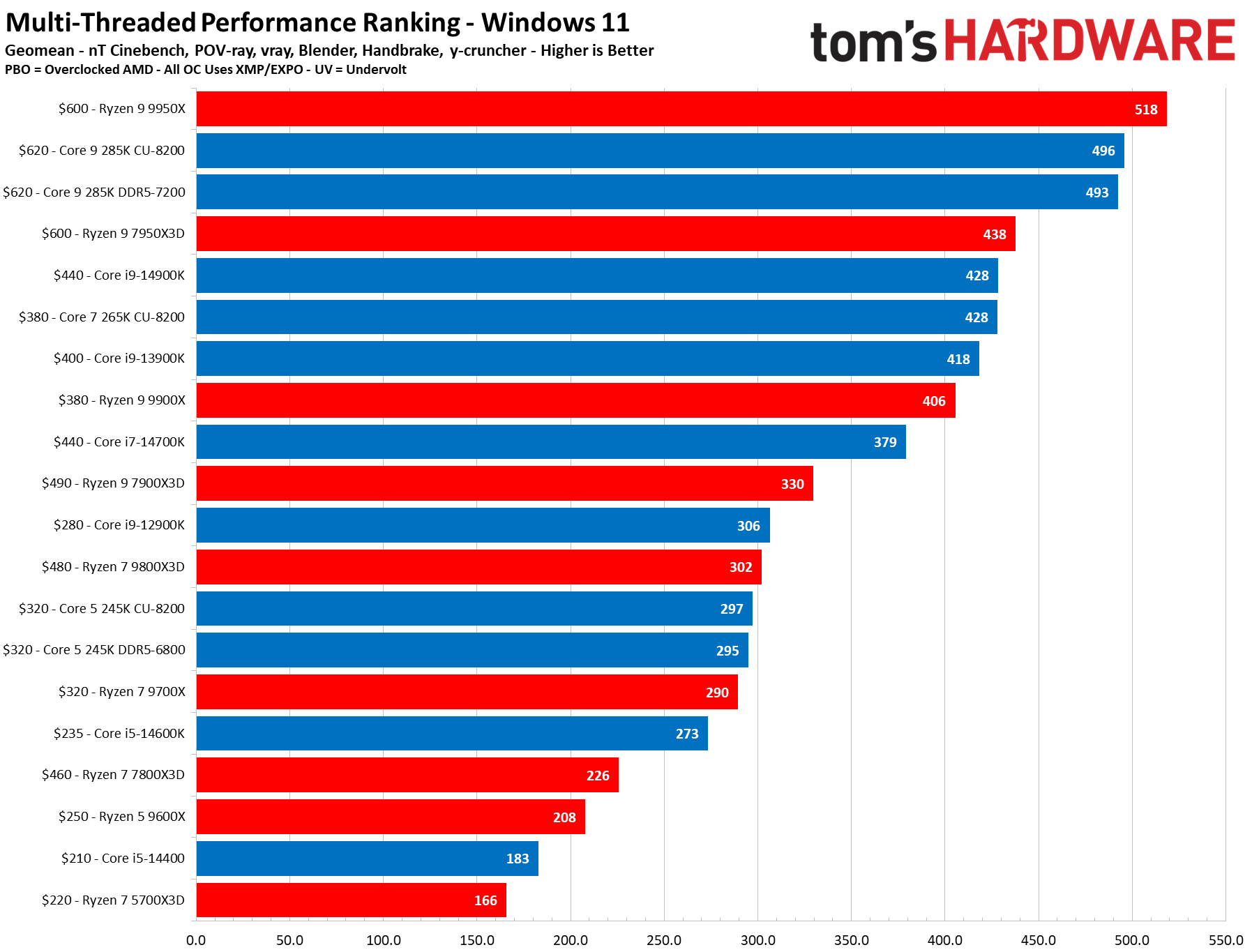
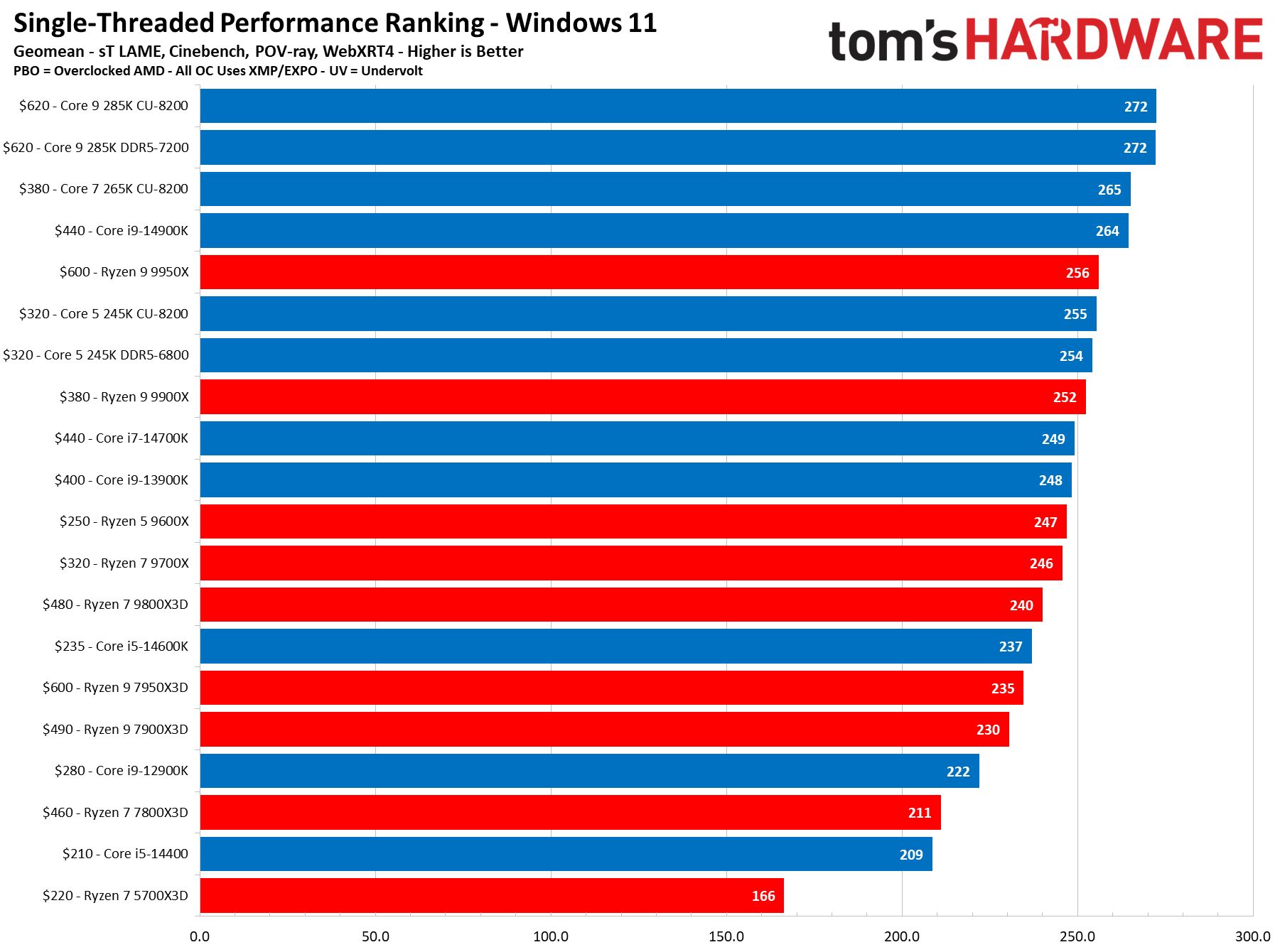
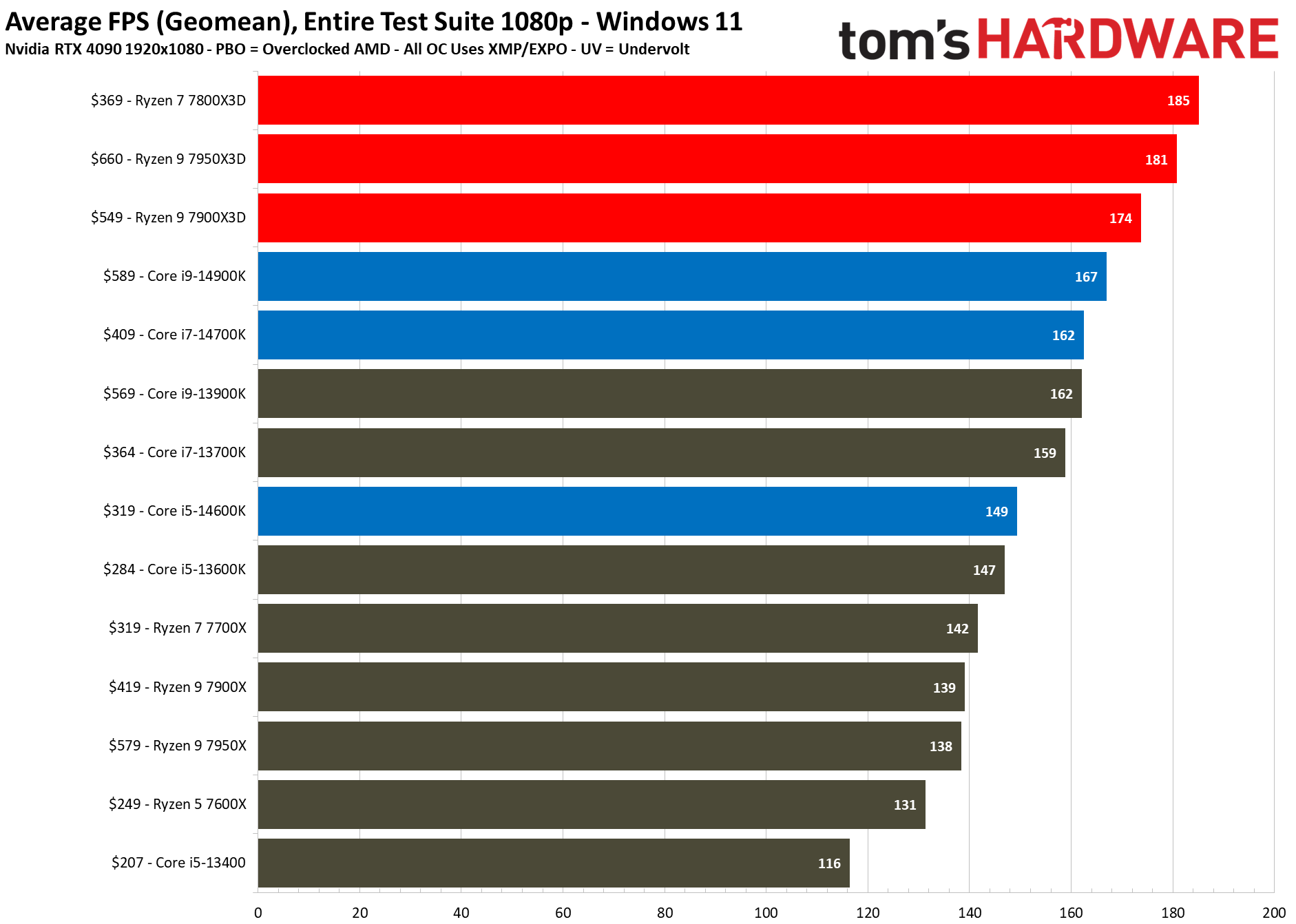
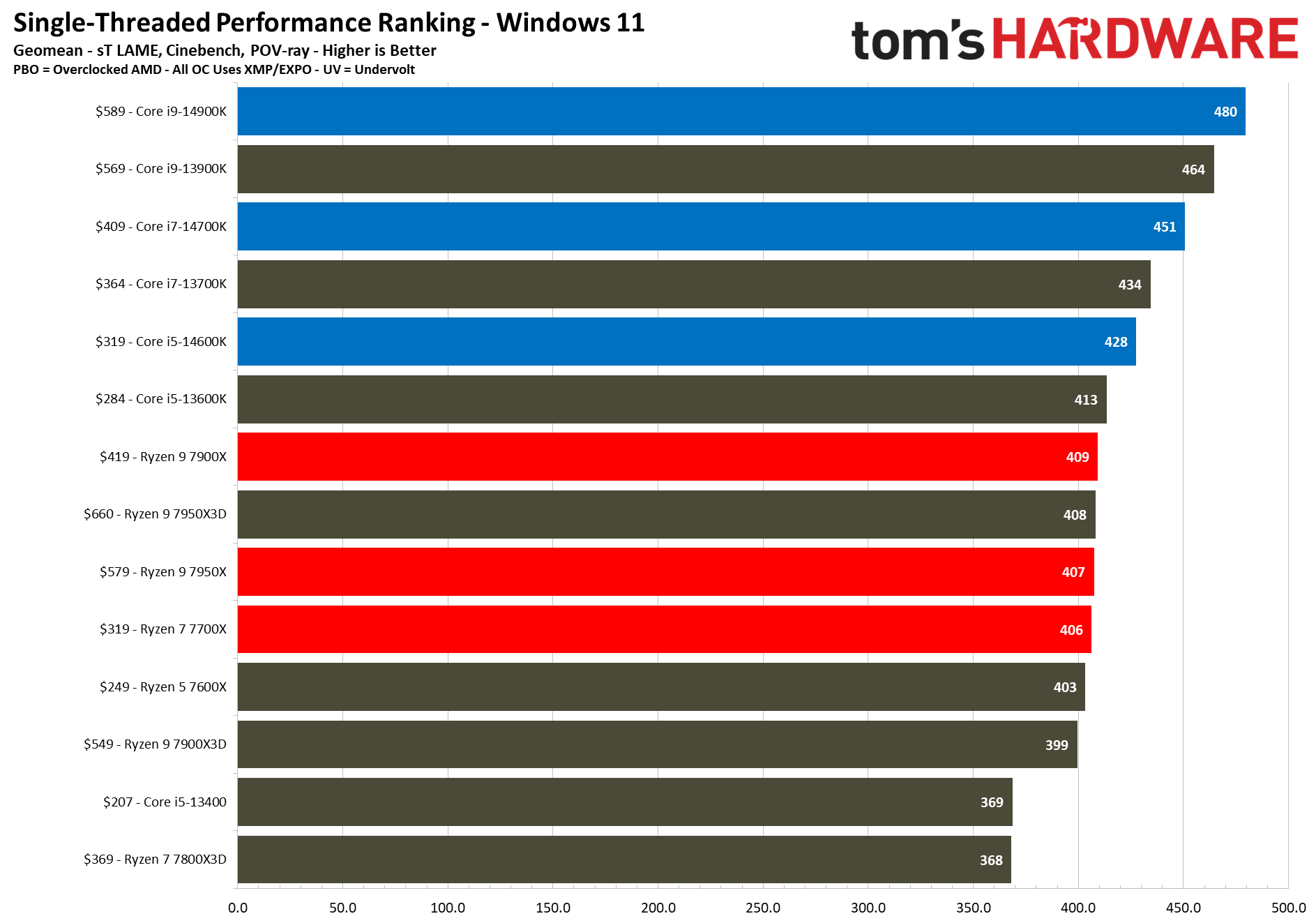
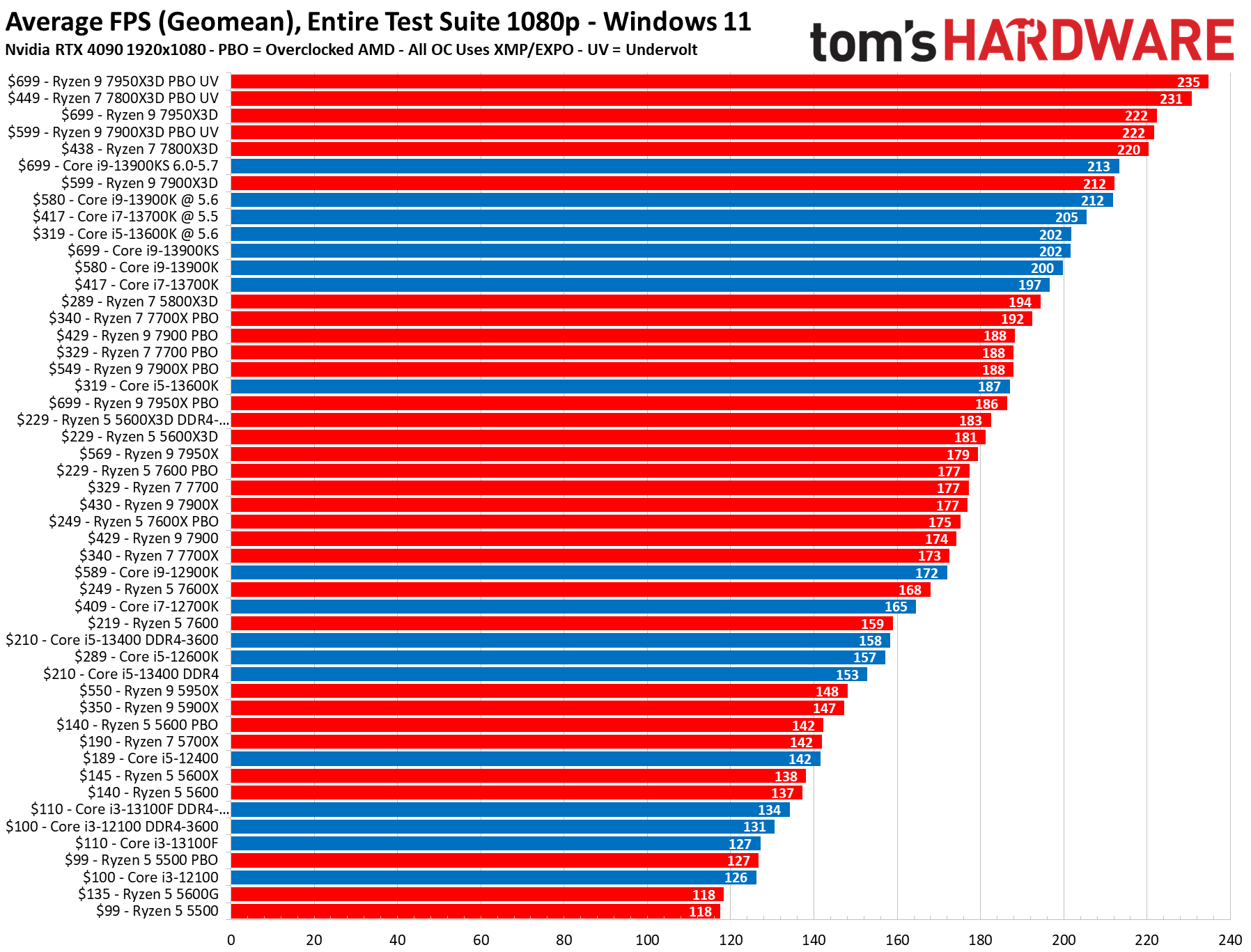
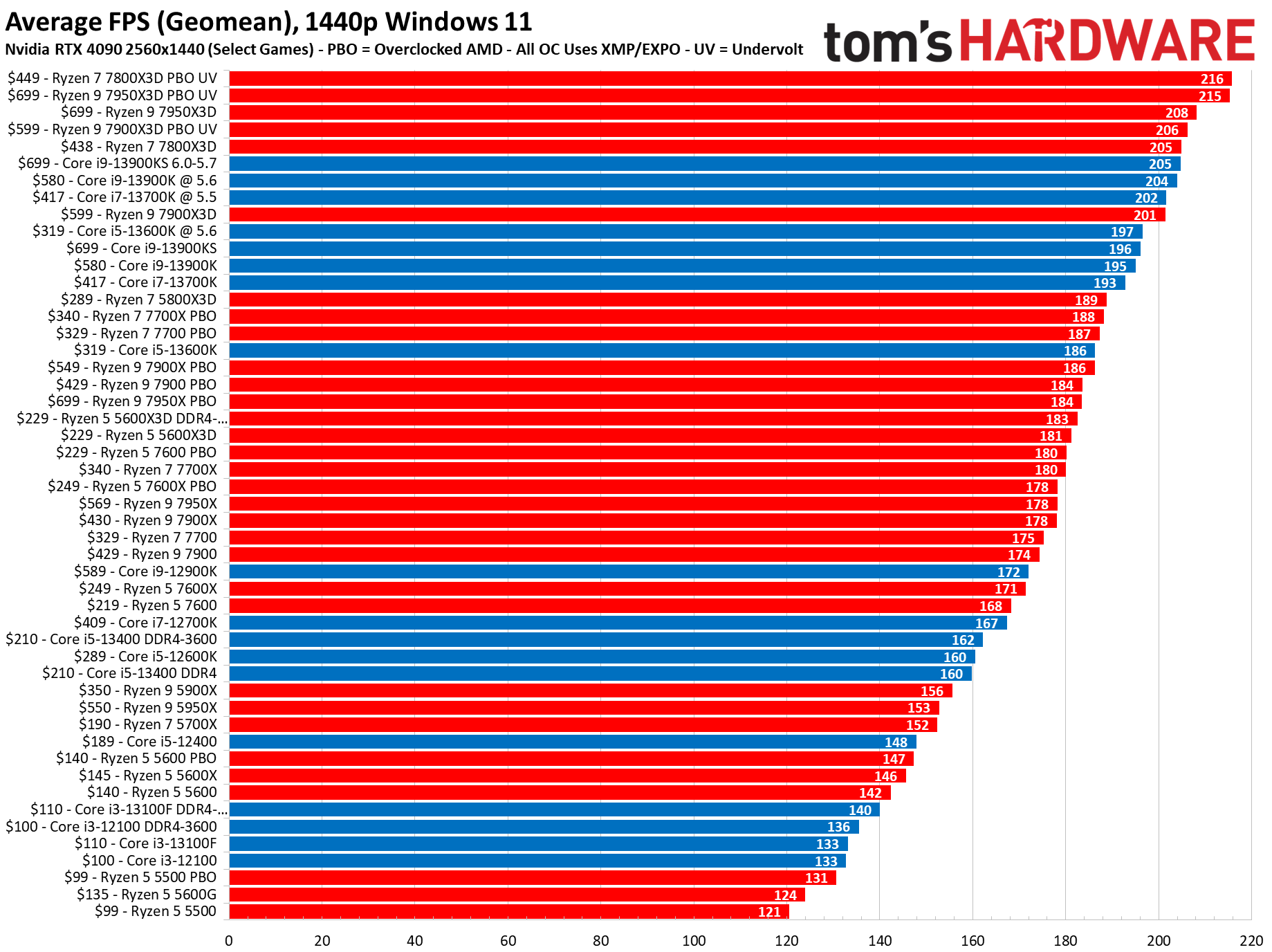
We rank all the Intel and AMD processors based on our in-depth CPU benchmarks hierarchy. You can see some of those numbers in the charts above, including CPU overclock performance results (marked as PBO for AMD processors). We’re currently retesting all of these processors with the Nvidia RTX 5090, but only the first four slides have that testing. The remainder are historical testing results with the RTX 4090, which we’ll remove once we have fully retested all of the gaming CPUs with the RTX 5090 for our benchmarks. This group of results comprises only the chips that have passed through our newest test suite. Additionally, the tables in our CPU benchmark hierarchy include rankings based on past CPU benchmarks and breakdowns of single- and multi-threaded performance in productivity applications across a broad spate of processors. Finally, be aware that the pricing in the charts above can fluctuate.
Consejos rápidos para ir de compras
A la hora de elegir la mejor CPU para juegos en 2025, tenga en cuenta lo siguiente:
- You can’t lose with AMD or Intel: Como se indica en nuestro artículo sobre AMD vs. Intel, últimamente AMD tiende a fabricar la mejor CPU para juegos en PC convencionales, pero ambas ofrecen opciones de rendimiento atractivas en cualquier rango de precio.
- Para los juegos, la velocidad del reloj suele ser más importante que el número de núcleos: Mayores velocidades de reloj de la CPU generalmente Esto se traduce en un rendimiento más ágil en tareas sencillas como los videojuegos, mientras que un mayor número de núcleos te ayudará a superar cargas de trabajo pesadas con mayor rapidez.
- Presupuesto para un sistema completo: Don’t pair a strong CPU with weak storage, RAM, and graphics.
- El overclocking no es para todos. Pero si sigues nuestra guía sobre cómo hacer overclock a una CPU, puedes obtener mejoras de rendimiento adicionales.
Best CPU for Gaming 2025 – $300 to $400
1. AMD Ryzen 7 9800X3D
El mejor procesador para juegos en general.
Presupuesto
Arquitectura: Zen 4
Casquillo: AM5
Núcleos/Hilos: 8/16
Frecuencia base: 4,7 GHz
Frecuencia máxima de aumento: 5,2 GHz
Potencia máxima de salida: 120 W
Today’s Best Deals
Razones para comprar
+
El procesador para juegos más rápido que el dinero puede comprar+
Rendimiento de productividad+
Consumo de energía y eficiencia+
Requisitos de refrigeración razonables+
Totalmente overclockeable
Razones para evitar
–
Los chips de precio similar son más rápidos en tareas de productividad.
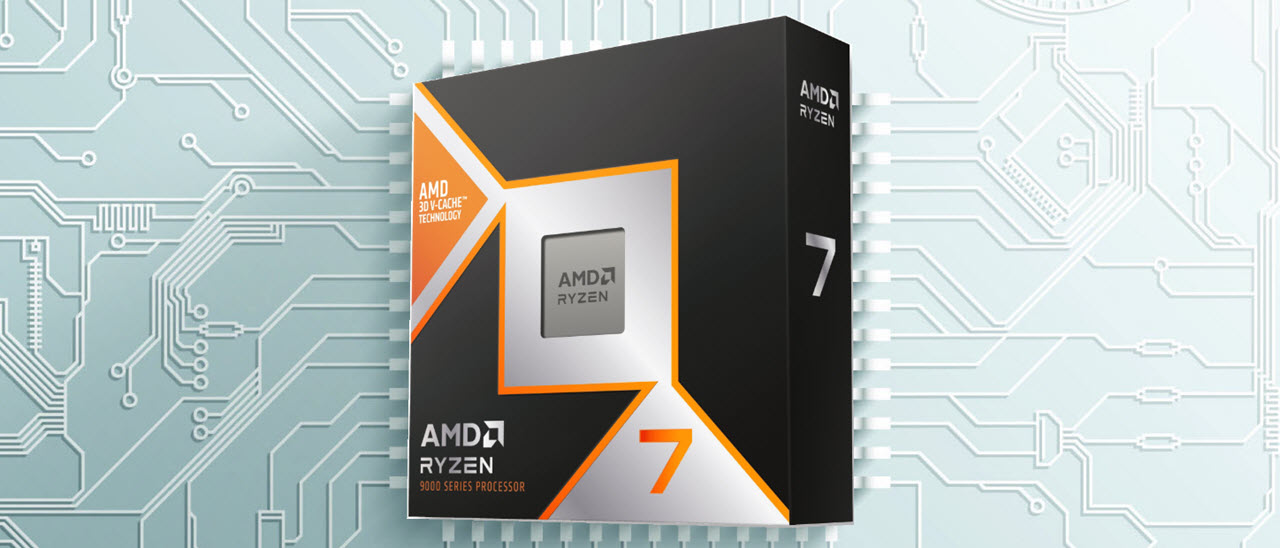
The Ryzen 7 9800X3D is not only AMD’s fastest gaming chip but also the fastest available on the market. It easily beats Intel’s more expensive competitors, not to mention AMD’s own lineup. At $480, the Ryzen 7 9800X3D is both the fastest gaming CPU on the market and a solid value in the high-performance category.
This chip really has no peer in the market — the Ryzen 7 9800X3D delivers outstanding gaming performance, beating Intel’s fastest gaming chip, the $440 Core i9-14900K, by 30% in our test suite. The 9800X3D is also almost unbelievably 35% faster than the current-gen Intel flagship, the $629 Core Ultra 9 285K. The stock Ryzen 7 9800X3D’s 1% low frame rates (a good smoothness indicator) also deliver an exceptionally smooth gaming experience, benefiting gamers even in GPU-limited scenarios.
The Ryzen 7 9800X3D has eight cores and 16 threads that operate at a 4.7 GHz base and 5.2 GHz boost clock rate. The chip employs AMD’s 3D V-Cache tech with a new spin, which places a 3D-stacked SRAM chiplet underneath the die to deliver an incredible 96MB of L3 cache to great effect. AMD moved the L3 cache chiplet from the top to the bottom of the compute die this generation to improve performance in productivity applications, and the end result is a comparatively low-power chip that delivers incredible gaming performance and comparable productivity performance to other eight-core models on the market.
You have to be aware of the tradeoffs with this highly specialized chip — our gaming benchmarks show that the 3D V-Cache doesn’t boost performance in all games, though we found that it impacted nearly every title we tested.
The Ryzen 7 9800X3D has much lower power consumption than the Intel competition, making it a far cooler processor that won’t require as expensive accommodations, like a beefy cooler, motherboard, and power supply. That means the 9800X3D delivers top-notch gaming performance and a cooler, quieter, and less expensive system than you’ll get with an Ultra 9 or Core i9.
AMD Ryzen 7 9700X
Mejor CPU para juegos en general — Primera opción alternativa
Presupuesto
Arquitectura: Zen 5
Casquillo: AM5
Núcleos/Hilos: 8 / 16
Frecuencia base: 3,8 GHz
Frecuencia máxima de amplificación: 5,5 GHz
TDP: 65 W
Today’s Best Deals
Razones para comprar
+
Rendimiento de juego sólido para su precio+
Precios decentes+
Bajo consumo de energía, excelente eficiencia+
Fácil de enfriar+
Rendimiento de un solo hilo líder en su clase+
Compatibilidad nativa con AVX-512
Razones para evitar
–
No incluye nevera portátil.
Supera a sus competidores en trabajos de productividad con muchos hilos.
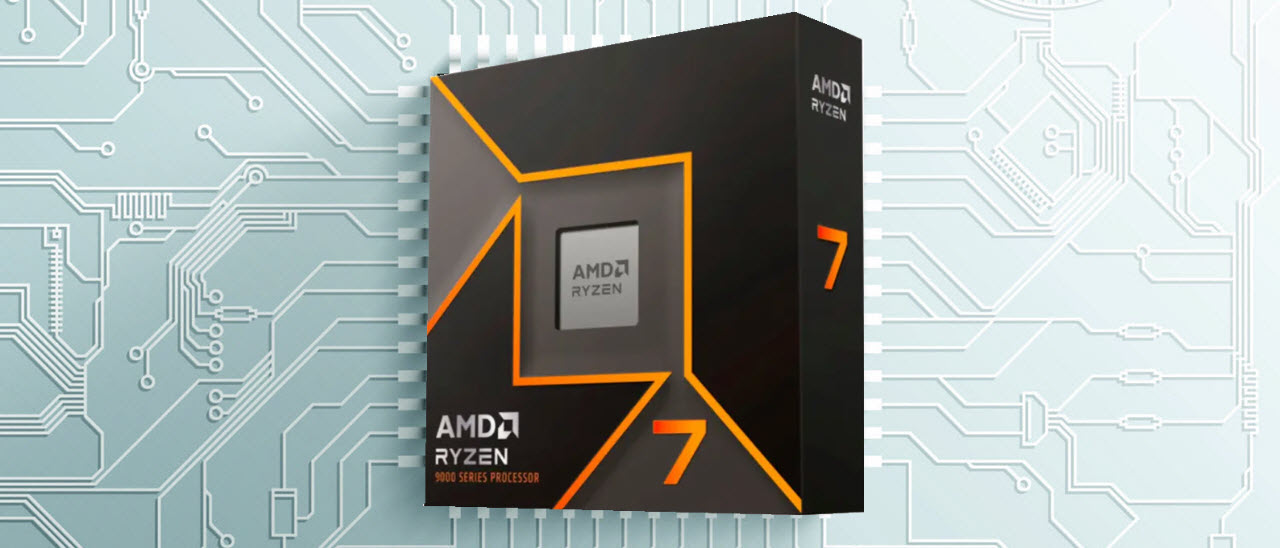
The $318 Ryzen 7 9700X had a rough initial product launch, but AMD’s targeted firmware and operating system improvements have changed the picture tremendously, allowing the chip to place much higher on our CPU benchmark hierarchy (head there for the most up-to-date gaming benchmarks). Combined with its $40 lower-than-launch pricing, the Ryzen 7 9700X is a strong contender, tying Intel’s Core i9-14900K in gaming and beating the Core i7-14700K, as well. That’s not to mention that it beats Intel’s entire lineup of new Core Ultra processors as well. Now, all of those processors offer faster performance in heavily-threaded productivity applications than the 9700X, but when it comes to just a pure gaming experience, the 9700X either ties or beats all competitors.
The Ryzen 7 9700X has eight Zen 5 cores with 16 threads that operate at a 3.8 GHz base and 5.5 GHz boost clock. The chip has a 65W TDP, though AMD retroactively added a 105W TDP option you can select in the BIOS that helps boost performance in productivity applications. With either setting, the 9700X has comparatively tame power consumption, so it is an easy chip to cool. You’ll have to buy your own cooler for the processor, though.
The Ryzen 7 9700X drops into socket AM5 motherboards, and B-series motherboards make the most sense for this class of chip. AMD’s partners have plenty of 600-series ‘B’ motherboards on the market that will make a good pairing with this chip. However, the much-anticipated B850 and B840 motherboards will not arrive until early next year.
Intel Core i7-14700K
Mejor CPU para juegos en general — Segunda opción alternativa
Presupuesto
Arquitectura: Renovación del lago Raptor
Zócalo: LGA 1700
Núcleos/Hilos: 20 (8P+12E) / 28
Frecuencia base: 3,4 GHz
Frecuencia máxima de amplificación: 5,6 GHz
Potencia base del procesador: 125 W
Today’s Best Deals
Razones para comprar
+
Precio+
Cuatro núcleos electrónicos más para el trabajo de productividad+
Rendimiento en juegos prácticamente idéntico al del 14900K+
Rendimiento de un solo hilo y de varios hilos+
PCIe 5.0 y memoria DDR5+
Overclockeable
Razones para evitar
–
No incluye nevera portátil.
Consume más energía que Ryzen.
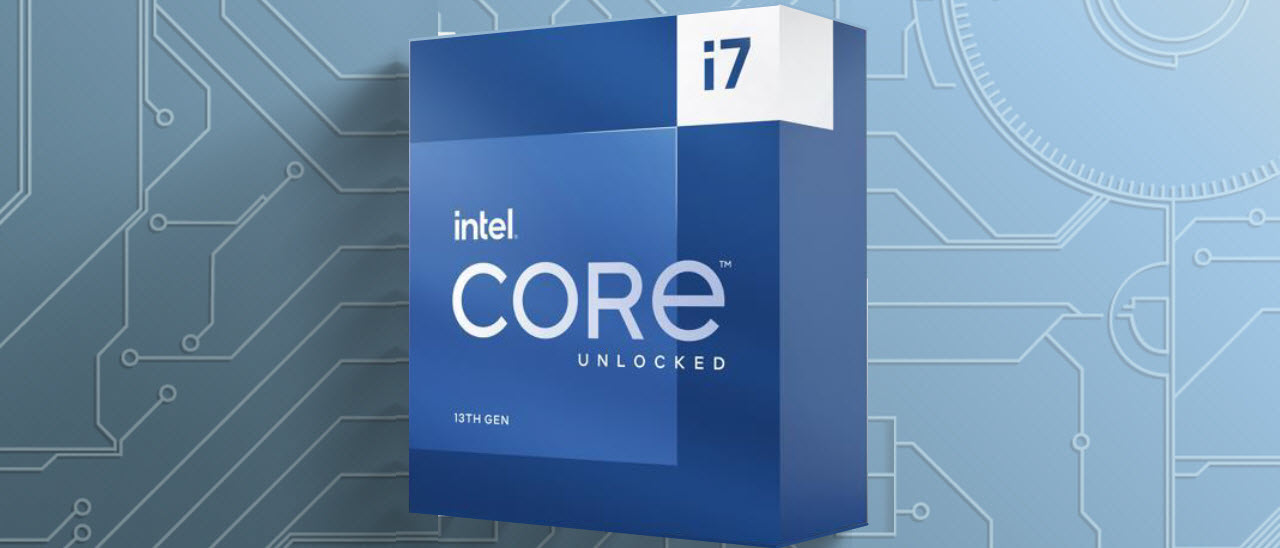
Intel boosted the Core i7-14700K’s core count by adding four more e-cores and tweaked the boost clock rate, but left its recommended pricing the same as the prior-gen model. At $339, the 14700K delivers essentially the same gaming performance as Intel’s own flagship $435 Core i9-14900K — but for significantly less. You can also discard the integrated graphics engine and get the otherwise identical Core i7-14700KF for $327.
As always, if you aren’t after top performance in heavy productivity tasks, the Core i7 model takes the shine off the Core i9. The Core i7-14700K is a great high-performance gaming chip at its price point, offering 97% of the flagship Core i9-14900K’s performance for $90 less. Better yet, you can overclock the chip and get basically identical performance to the stock Core i9-14900K.
Our benchmarks show the Core i7-14700K is a much better all-rounder than Ryzen if you’re looking for performance in productivity work. The Core i7-14700K has eight P-cores (high-performance) and 12 E-cores (efficiency), for a total of 28 threads. The P-cores run at a 3.4 / 5.6 GHz base/boost, while the E-cores weigh in at 2.5 / 4.3 GHz. In addition, the execution engine is fed by 33MB of L3 cache and 28MB of L2.
El 14700K también admite conectividad de vanguardia con soporte para DDR4-3200 o arriba a El procesador 14700K incluye memoria DDR5-5600, 16 líneas PCIe 5.0 y cuatro líneas PCIe 4.0 adicionales para unidades SSD M.2. Su consumo energético es de 125 W (base) y 253 W (pico).
You’ll need to buy a capable cooler for the chip, and you’ll also need a new 700-series or previous-gen 600-series motherboard. You can find a wide selection of high-end motherboards that support DDR5 memory, and although you’ll only find lower-end and mid-range DDR4 motherboards, there’s still plenty of selection available. Gamers will enjoy the lower price option of selecting DDR4, but it does come with 5 to 8% lower performance in gaming. You can upgrade to the slightly more expensive DDR5 if you need access to more memory throughput.
Mid-Range Best CPU for Gaming – $200 to $300
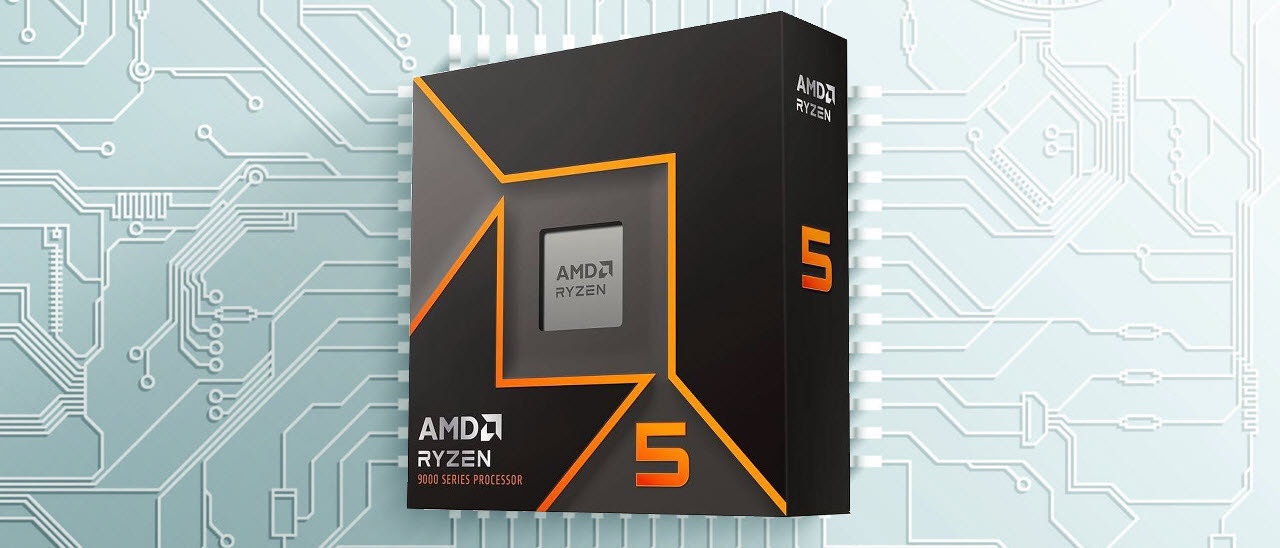
2. AMD Ryzen 5 9600X
El mejor procesador de gama media para juegos
Presupuesto
Arquitectura: Zen 5
Casquillo: AM5
Núcleos/Hilos: 6 / 12
Frecuencia base: 3,9 GHz
Frecuencia máxima de amplificación: 5,4 GHz
TDP: 65 W
Today’s Best Deals
Razones para comprar
+
Rendimiento de juego sólido para su precio+
Precios decentes+
Bajo consumo de energía, excelente eficiencia+
Fácil de enfriar+
Rendimiento de un solo hilo líder en su clase+
Compatibilidad nativa con AVX-512
Razones para evitar
–
No incluye nevera portátil.
Supera a sus competidores en trabajos de productividad con muchos hilos.
The $240 Ryzen 5 9600X had a rough start, but AMD’s targeted firmware and operating system improvements have changed the picture tremendously, allowing the chip to place much higher on our CPU benchmark hierarchy (head there for the most up-to-date gaming benchmarks). Combined with its $40 lower-than-launch pricing, the Ryzen 5 9600X is a strong contender in the sub-$250 weight class.
The Ryzen 5 9600X has six Zen 5 cores with 12 threads that operate at a 3.9 GHz base and 5.4 GHz boost clock. The chip has a 65W TDP, though AMD retroactively added a 105W TDP option you can select in the BIOS that helps boost performance in productivity applications. With either setting, the 9600X has comparatively tame power consumption, so it is an easy chip to cool. You’ll have to buy your own cooler for the processor, though.
The Ryzen 5 9600X drops into socket AM5 motherboards, and B-series motherboards make the most sense for this class of chip. AMD’s partners have plenty of 600-series ‘B’ motherboards on the market that will make a good pairing with this chip. However, the much-anticipated B850 and B840 motherboards will not arrive until early next year.
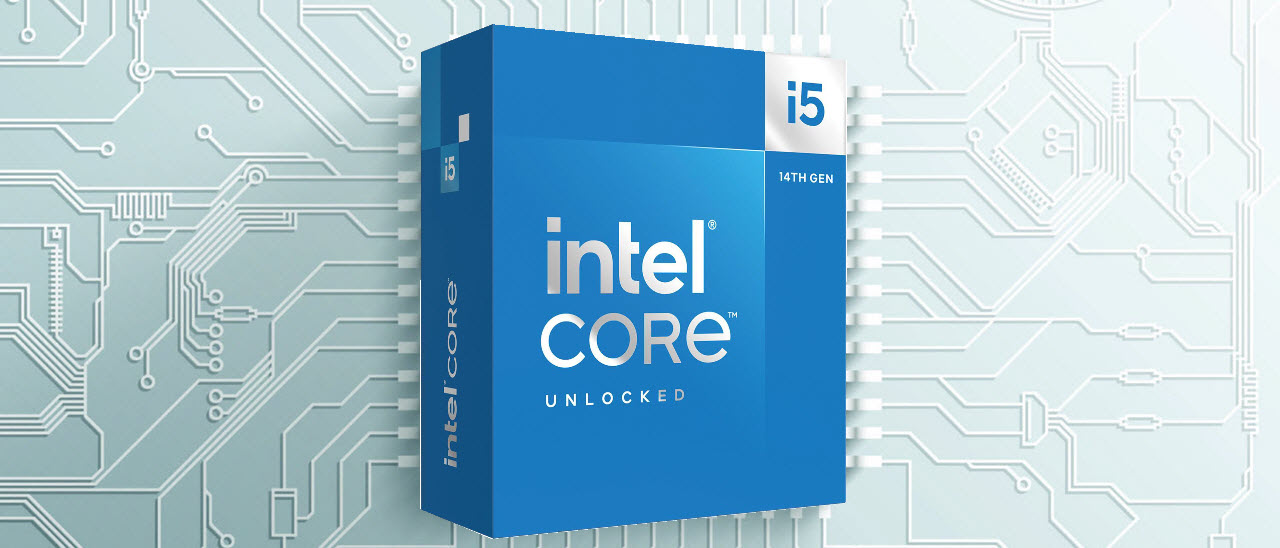
Intel Core i5-14600K
Mejor procesador de gama media para juegos — Opción alternativa
Presupuesto
Arquitectura: Renovación del lago Raptor
Zócalo: LGA 1700
Núcleos/Hilos: 14 (6P + 8E) / 20
Frecuencia base: 3,5
Frecuencia máxima de aumento: 5.3
Potencia base del procesador: 125 W
Today’s Best Deals
Razones para comprar
+
Rendimiento de juego sólido+
Precios competitivos+
PCIe 5.0 y memoria DDR5+
Overclockeable
Razones para evitar
–
No incluye nevera portátil.
Our in-depth testing shows that the $235 Core i5-14600K is a strong gaming chip. You can also sacrifice the integrated graphics engine — you won’t need it if you have a discrete GPU — and go with the $200 Core i5-14600KF and get the same level of performance. Intel has since released the newer $320 Core Ultra 5 245K, but it offers virtually the same performance in gaming as the Core i5-14600K, but for $85 more. That leaves the Core i5-14600K as the better option in this price range for now.
The Core i5-14600K comes with six threaded P-cores that operate at 3.5 / 5.3 GHz and four E-cores that run at 2.6 / 4.0 GHz, for a total of 20 threads. That’s paired with 20MB of L3 and 24MB of L2 cache.
El chip admite 16 carriles de la interfaz PCIe 5.0 de última generación y cuatro carriles PCIe 4.0 adicionales para un puerto SSD M.2 de alta velocidad; además, es compatible con memoria DDR4 o DDR5. Algunos jugadores preferirán el precio más bajo y el rendimiento similar de la DDR4, pero si necesitan mayor velocidad de transferencia de memoria, pueden optar por la DDR5, ligeramente más cara.
The 14600K comes with a maximum power rating of 181W. The power consumption threshold allows the chip to work well with a wide variety of standard air and water coolers, but you’ll need to ensure your model supports the LGA 1700 socket.
Speaking of which, you’ll also need a 700 or 600-series motherboard for the processor (with 600-series, make sure the BIOS supports the chip). You can find a wide selection of high-end models that support DDR5 memory, and although you’ll find fewer lower-end and mid-range DDR4 motherboards, there’s still plenty of selection available.
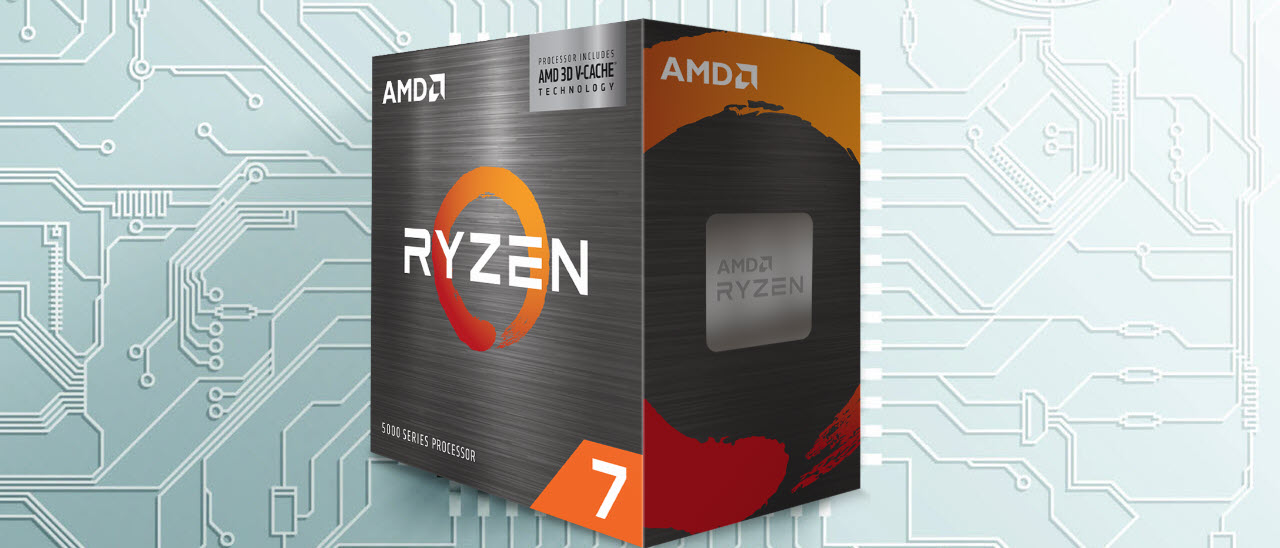
AMD Ryzen 7 5700X3D
Mid-Range Best CPU for Gaming – Alternate Pick
Presupuesto
Arquitectura: Zen 3
Zócalo: AM4
Núcleos/Hilos: 8/16
Frecuencia base: 3,0 GHz
Frecuencia máxima de aumento: 4,1 GHz
TDP: 105 W
Today’s Best Deals
Razones para comprar
+
Rendimiento de juego líder en su rango de precio+
Excelente precio+
Bajo consumo de energía, excelente eficiencia+
Compatibilidad con actualizaciones AM4
Razones para evitar
–
Menor rendimiento en aplicaciones de productividad.
No incluye nevera portátil.
Sin overclocking directo basado en multiplicador
El Ryzen 5 5700X3D de 229 dólares ofrece el rendimiento de juego más rápido posible en el rango de precios de alrededor de 200 dólares, sin excepción, pero conlleva algunas concesiones de rendimiento en aplicaciones de productividad.
The Ryzen 7 5800X3D is the king of the gaming hill for the Ryzen 5000 series, but the 5700X3D has the same number of cores for 35% less cash while delivering 91% of the gaming performance of its more expensive counterpart. That’s a win for value gamers and brings AMD’s vaunted game-boosting 3D V-Cache tech to a new lower price point.
El Ryzen 7 5700X3D es básicamente un Ryzen 7 5800X3D con una frecuencia reducida, perdiendo 400 MHz en sus frecuencias base y turbo. Todas las demás características permanecen sin cambios, incluyendo los 96 MB de caché L3 que mejoran el rendimiento en juegos.
El Ryzen 7 5700X3D se adapta a las placas base con socket AM4 existentes desde la serie 300, que debutó en 2017. Por lo tanto, es una excelente actualización de alto rendimiento para los propietarios de Ryzen en la plataforma AM4.
You have to be aware of the tradeoffs with this highly specialized chip. Our gaming benchmarks show that the 3D V-Cache doesn’t boost performance in all games, though we found that it impacted nearly every title we tested. The Ryzen 7 5700X3D is optimized specifically for gaming but isn’t as fast as similarly priced chips in productivity applications. Also, the Ryzen 7 5700X3D doesn’t support the latest leading-edge connectivity options, like DDR5 and PCIe 5.0.
If you’re willing to accept lower performance in productivity applications and do your homework to ensure the Ryzen 7 5700X3D accelerates the types of games you play frequently, it’s hard to go wrong—especially for upgraders with AMD AM4 systems.
Highest Performance Best CPU for Gaming – $400+
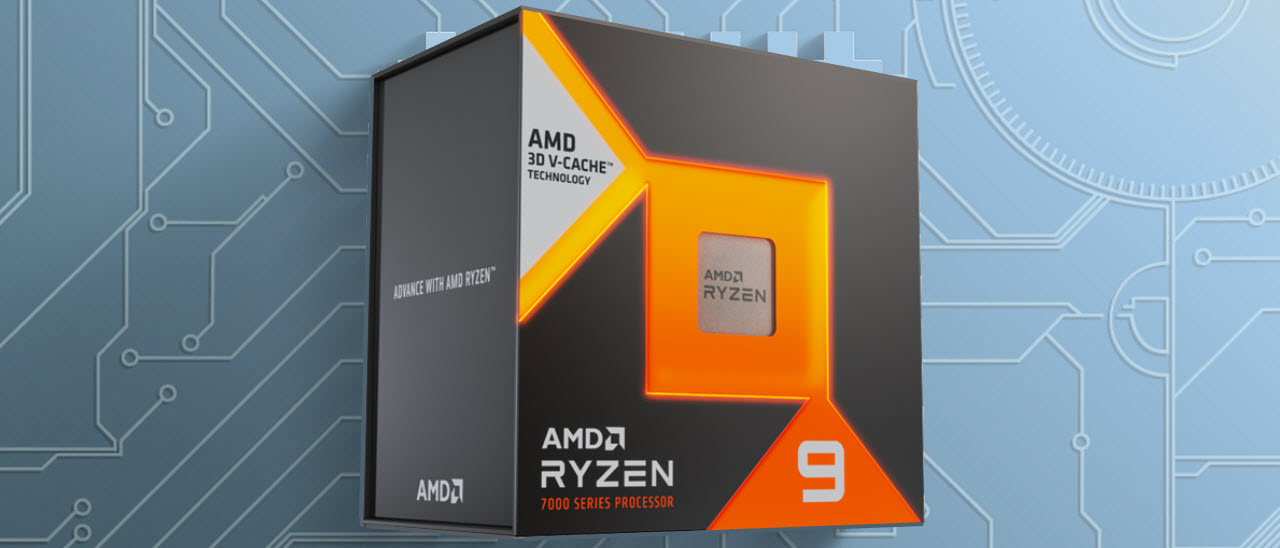
3. AMD Ryzen 9 9950X3D
El mejor procesador de alto rendimiento para juegos
Presupuesto
Arquitectura: Zen 5
Casquillo: AM5
Núcleos/Hilos: 16/32
Frecuencia base: 4,3 GHz
Frecuencia máxima de amplificación: 5,7 GHz
Potencia máxima de salida: 170 W
Today’s Best Deals
Razones para comprar
+
El chip de 16 núcleos más rápido en juegos+
Rendimiento de juego casi equivalente al de la 9800X3D (en promedio)+
Rendimiento de productividad+
Totalmente overclockeable+
Eficiente energéticamente+
Compatibilidad con AVX-512
Razones para evitar
–
Precios
Zero compromises. That was AMD’s mission when it designed the Ryzen 9 9950X3D; from our testing, that mission was a rousing success. AMD’s 3D V-Cache technology has proven to be the killer tech that delivers dominating performance over Intel in gaming, and the second-gen revision propels the 16-core, 32-thread $699 Ryzen 9 9950X3D to a whole new level of gaming performance — all while preserving the full performance in productivity applications, a first for AMD’s gaming-optimized X3D chips.
Our CPU benchmarks show the 9950X3D is an incredible 37% faster than Intel’s flagship Core 9 285K on average in 1080p gaming. It also beats Intel’s fastest competing gaming chip, the Core i9-14900K, by 26% on average in our test suite. In fact, on average, the 9950X3D even ties the hands-down best CPU for gaming on the market, the Ryzen 7 9800X3D.
El Ryzen 9 9950X3D también impresiona en tareas de productividad, igualando al Ryzen 9 9950X estándar en nuestra medición general de cargas de trabajo tanto de un solo hilo como de varios hilos, un logro notable. Además, es un 11 % más rápido que el Intel Core Ultra 9 285K, su competidor, en cargas de trabajo multihilo, aunque Intel mantiene una ventaja del 7 % en tareas de un solo hilo.
El Ryzen 9 9950X3D, con arquitectura Zen 5, cuenta con 16 núcleos, 32 hilos, 144 MB de caché total y una frecuencia turbo máxima de 5,7 GHz. Es compatible con placas base Socket AM5.
The 9950X3D uses AMD’s cutting-edge 3D chip-stacking technology, 3D V-Cache, to enable an incredible 128MB L3 cache. AMD’s game-boosting 3D V-Cache tech is now in its third generation, and this time around, AMD moved the vertically-stacked 64MB L3 cache chiplet from the top to the bottom of the compute chiplet to enable higher thermal headroom. As a result, the 9950X3D has the same 170W/230W TDP threshold as the standard Ryzen 9 9950X model instead of the 50W lower rating the company used with the previous-gen chip. That unleashes the ultimate in performance.
For those searching for the highest-end performance money can buy, if you can afford it, you won’t find a mainstream desktop PC chip that offers a stronger blend of gaming and productivity performance.

Intel Core i9-14900K
Highest Performance Best CPU for Gaming – Alternate Pick
Presupuesto
Arquitectura: Renovación del lago Raptor
Zócalo: LGA 1700
Núcleos/Hilos: 16 (8P+16E) / 32
Frecuencia base: 3,2
Frecuencia máxima de aumento: 6.0
Potencia base del procesador: 125 W
Today’s Best Deals
Razones para comprar
+
Rendimiento de juego sólido+
Precios competitivos+
Increíble margen de overclocking+
DDR5 y PCIe 5.0+
Rendimiento de un solo hilo y de múltiples hilos
Razones para evitar
–
No incluye nevera portátil.
Necesita un refrigerador potente para un rendimiento óptimo.
consumo de energía
The prior-gen $438 Core i9-14900K is now selling for all-time low pricing, primarily because the newer $629 Core Ultra 9 285K has arrived to take its place. However, the Core Ultra 9 285K is actually slower than the 14900K in gaming, so it isn’t a suitable replacement — at least not yet, but Intel is issuing patches in early December 2024 that will improve the 285K’s gaming performance. Naturally, we won’t know if those patches will change the balance of power until they arrive, so the 14900K is the better chip for now.
Debes saber que el procesador 14700K (mencionado anteriormente), mucho más económico (con un precio de $339), es solo un 2 % más lento que el 14900K en juegos, pero cuesta aproximadamente $100 menos. El Ryzen 7 9700X, también mencionado anteriormente, es igualmente económico y prácticamente iguala el rendimiento del 14900K en juegos.
Sin embargo, hay fanáticos de Intel dispuestos a pagar más por el máximo rendimiento en juegos que una plataforma Intel puede ofrecer. Además, el 14900K ofrece mayor potencia multihilo que el 14700K y el 9700X, lo cual puede ser útil si juegas, transmites y grabas simultáneamente, o si realizas otras tareas exigentes mientras juegas. Asegúrate de que tu caso de uso justifique el costo adicional.
El 14900K cuenta con conectividad de vanguardia, compatible con memoria DDR4-3200 o hasta DDR5-5600, junto con 16 carriles PCIe 5.0 y cuatro carriles PCIe 4.0 adicionales del chip para SSD M.2.
El chip incluye ocho núcleos P compatibles con Hyper-Threading y dieciséis núcleos E de un solo hilo, para un total de 32 hilos. Los núcleos P tienen una frecuencia base de 3,2 GHz y alcanzan frecuencias máximas de hasta 6,0 GHz con Turbo Boost Max 3.0 (esta función solo está activa en los núcleos P). Por su parte, los núcleos E tienen una frecuencia base de 2,4 GHz y alcanzan hasta 4,4 GHz mediante el algoritmo Turbo Boost 2.0 estándar. El chip también cuenta con 36 MB de caché L3 y 32 MB de caché L2.
This 14900K has a 125W PBP (base) and 253W MTP (peak) power rating, but we recorded considerably lower power consumption than its prior-gen counterpart. You’ll need to buy a capable cooler for the chip, and you’ll also need either a new 700-series or a previous-gen 600-series motherboard. You can find a wide selection of high-end motherboards that support DDR5 memory, and although you’ll only find lower-end and mid-range DDR4 motherboards, there’s still plenty of selection available.
The lower price of DDR4 might entice some gamers, but you’ll lose anywhere from 5 to 8% of gaming performance with higher-end Intel chips. You can step up to the slightly more expensive DDR5 if you need access to more memory throughput and, thus, every bit of performance possible.
Best Budget CPU Pick – $100 to $150
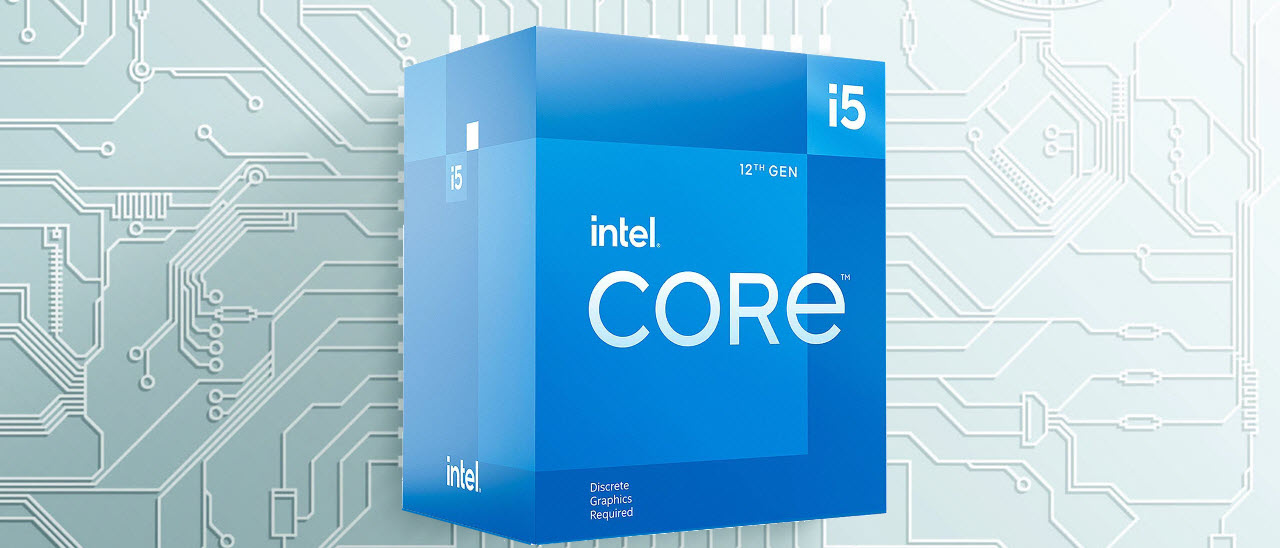
4. Intel Core i5-12400F
El mejor procesador económico para juegos
Presupuesto
Arquitectura: Lago Alder
Zócalo: LGA 1700
Núcleos/Hilos: 6 (6P + 0E) / 12
Frecuencia base: 2,5
Frecuencia máxima de aumento: 4.4
TDP: 65 W / 117 W
Today’s Best Deals
Razones para comprar
+
Rendimiento de juego sólido+
Compatibilidad con DDR4+
Compatibilidad con PCIe 5.0+
Rendimiento de un solo hilo+
Hielera incluida suficiente
Razones para evitar
–
Sin gráficos integrados-
No se permite el overclocking del núcleo de la CPU.
overclocking de memoria limitado
At $110, the graphics-less Core i5-12400F is an exceptional value, and you can step up to the $130 Core i5-12400 if you need integrated graphics. This chip is slightly faster than the alternate in this class, the Ryzen 5 5600 listed below, in both gaming and productivity work. The 12400F’s connectivity features and more modern platform are the big selling point, though. If you’re looking for support for more modern interfaces, like PCIe 5.0, DDR5 y DDR4, this chip makes even more sense — AMD’s Ryzen 5 5600 only supports DDR4 and PCIe 4.0.
El Core i5-12400F cuenta con seis núcleos P y doce hilos, pero carece de núcleos e. En cambio, su predecesor, el 13400F, nuestra mejor opción, incluye cuatro núcleos e para ofrecer un mayor rendimiento en tareas multihilo. El 12400F tiene una frecuencia base de 2,5 GHz y alcanza los 4,4 GHz con turbo. Este chip también incorpora 18 MB de caché L3 y tiene un consumo energético de 65 W (base) y 117 W (pico).
El Core i5-12400F se integra perfectamente en el económico y abundante ecosistema Socket 1700, por lo que las placas base de las series 600 y 700 son compatibles. Naturalmente, un modelo de la serie B será la mejor opción para este procesador. Estas memorias RAM están disponibles en versiones DDR4 o DDR5, así que asegúrese de que su placa base sea compatible con el tipo de RAM que utilice.
The Core i5-12400F also comes with a competent bundled cooler, but we always recommend stepping up to a more capable third-party model, some of which can be found as for as low as $20 if you’re particularly price sensitive. All in all, the Core i5-12400F at this price point is a solid chip for a budget system.
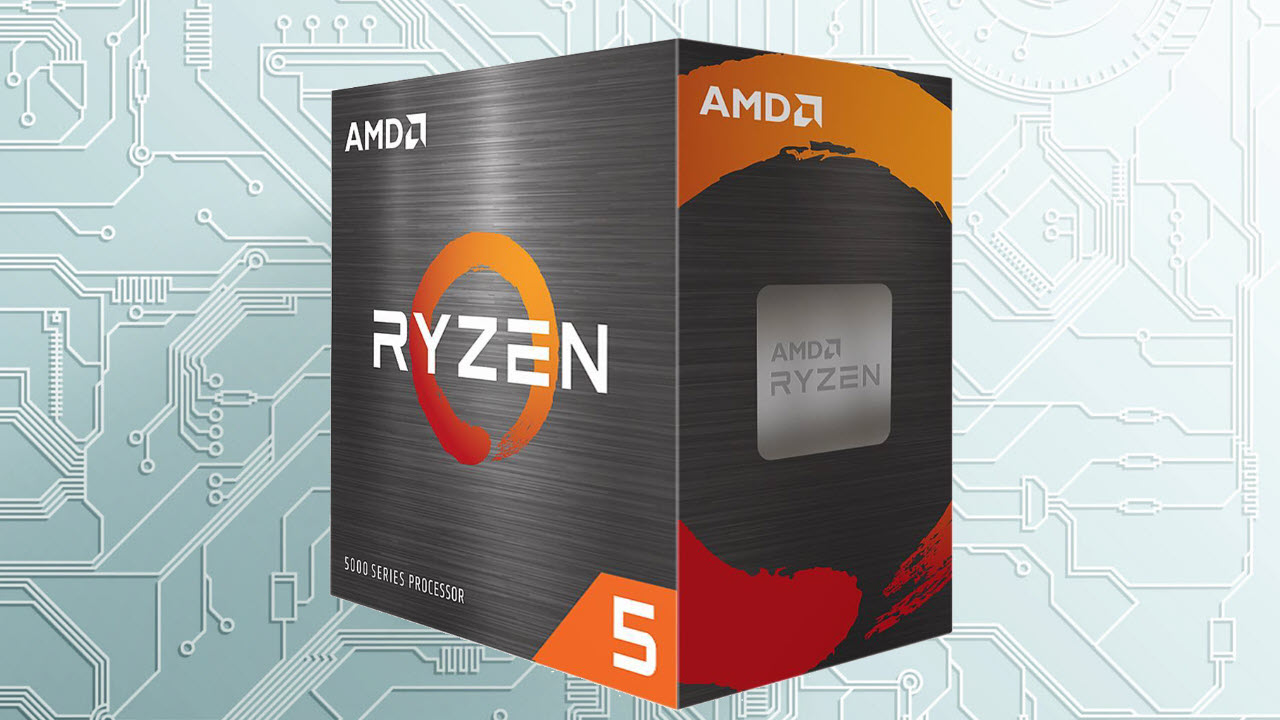
AMD Ryzen 5 5600
Budget Best CPU for Gaming – Alternative
Presupuesto
Arquitectura: Zen 3
Zócalo: AM4
Núcleos/Hilos: 6 / 12
Frecuencia base: 3,7 GHz
Frecuencia máxima de aumento: 4,6 GHz
TDP: 65 W
Today’s Best Deals
Razones para comprar
+
Rendimiento competente en juegos y aplicaciones+
Una sólida ruta de actualización para los propietarios de Ryzen 1000+
Refrigerador de CPU incluido+
Overclockable+
Amplia compatibilidad con placas base de la serie 300
Razones para evitar
–
Su relación calidad-precio es deficiente frente a los chips de Intel.
Sin GPU integrada-
El modelo 5500 solo admite PCIe 3.0.
The $107 AMD Ryzen 5 5600 delivers a solid blend of performance in both gaming and productivity applications, bringing a new level of value to the Zen 3 lineup. If you’re fine sticking with a previous-gen AM4 motherboard, the Ryzen 5 5600 makes a great budget build. The primary trade-off for the AM4 platform is that you’re limited to DDR4, and you don’t have access to PCIe 5.0, but this isn’t a problem for most users at this price point. However, the Core i5-12400F is a better deal if you’re looking for DDR5 and PCIe 5.0 support.
The Ryzen 5 5600 also makes an absolutely unbeatable budget chip if you’re updating a first-gen Ryzen system. The 5600 unseats the Ryzen 5 5600incógnita, un favorito desde hace mucho tiempo. El 5600X es solo un ~1% más rápido en juegos y tareas multihilo que el modelo sin la X, una mejora prácticamente imperceptible, pero ofrece una ventaja del 4% en tareas de un solo hilo.
Puedes encontrar el Ryzen 5 5600 de seis núcleos y doce hilos por $107, un gran descuento debido a la presión competitiva de Intel. De hecho, nuestras pruebas demuestran que el Ryzen 5 5600 ofrece un rendimiento en juegos similar al de su hermano mayor, el Ryzen 7 5800X, que ronda los $175. Esto convierte al 5600 en un procesador increíblemente versátil, capaz de gestionar juegos con fluidez, desde un rendimiento competitivo con monitores de alta frecuencia de actualización hasta cargas de trabajo multitarea como la transmisión en directo, además de ofrecer un rendimiento más que suficiente para las aplicaciones de productividad cotidianas. Como con todos los procesadores AMD para juegos, es posible realizar overclocking completo.
The Ryzen 5 5600 has a 3.7 GHz base and 4.6 GHz boost clock. The chip also has a 65W TDP rating, so it runs cool and quiet. Existing AMD owners with a 500-series motherboard will be happy, as the 5600X drops right into existing 500-, 400-, and 300-series motherboards. If you need a new motherboard to support the chip, AMD’s AM4 motherboards are plentiful and relatively affordable, with the B-series lineup offering the best overall value for this class of chip.
Entry-Level Best CPU for Gaming – For gaming on integrated GPUs
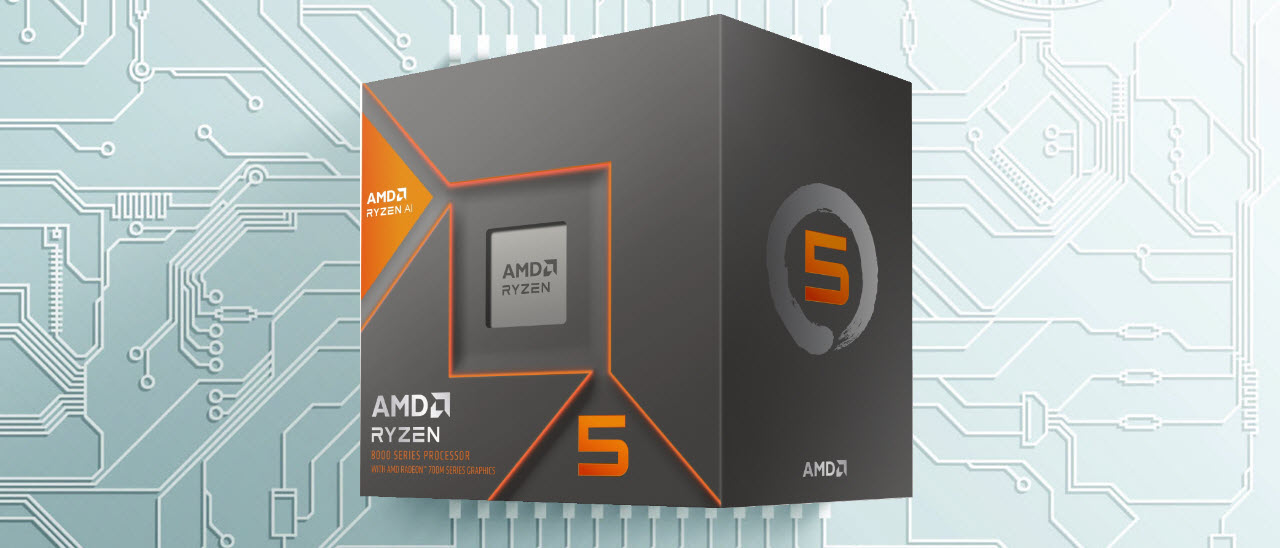
5. AMD Ryzen 5 8600G
El mejor procesador de gama de entrada para juegos
Presupuesto
Arquitectura: Zen 4
Casquillo: AM5
Núcleos/Hilos: 6 / 12
Frecuencia base: 4,3 GHz
Frecuencia máxima de aumento: 5,0 GHz
TDP: 65 W
Today’s Best Deall
Razones para comprar
+
+Aceptable en 1080p en algunos títulos, buena calidad de juego en 720p+
+Compatibilidad con Hyper-RX+
+Neveras portátiles incluidas+
+Eficiencia energética
Razones para evitar
–
Precios más elevados para la memoria DDR5, sin opciones de 8 GB.
Las placas base AM5 siguen siendo caras
The $278 Ryzen 7 8700G, AMD’s flagship APU, delivers the fastest performance on the market from integrated graphics, bringing passable 1080p gaming to the desktop PC without a discrete graphics card, but its high price point relegates it to a niche audience. In contrast, the $170 Ryzen 5 8600G delivers 90% of the 8700G’s performance but for ~$110 less, making it a solid alternative for gaming systems that don’t use a discrete GPU.
Naturally, you’ll have to accept lower fidelity settings and be realistic about which titles can play at 1080p resolution. Still, AMD’s Hyper-RX suite of features, which includes in-driver Radeon Super Resolution upscaling tech, frame generation with AMD Fluid Motion Frames (AFMF), Anti-Lag+, and Radeon Boost, helps boost performance at a slight cost to image quality. This new feature set, a first for AMD’s iGPUs, is a boon for budget gamers.
The Ryzen 5 8600G has six Zen 4 CPU cores and the RDNA 3 GPU engine with eight CUs. The Ryzen 5 8600G drops into the AM5 platform, with value-focused B650 and A620 motherboards being the obvious best combination. These systems offer a new level of connectivity for AMD’s APU processors, which were previously on the aging AM4 platform but require DDR5 memory. That adds some cost, so do a value analysis before selecting this processor. If you’re looking for the lowest entry price possible with an APU, the Ryzen 5 5600G listed below slots in as the value alternative.
The Ryzen 7 8600Gs only supports 16 usable lanes of PCIe 4.0 connectivity, while other processors on the AM5 platform support PCIe 5.0. However, we don’t feel this will impact this class of system.
AMD Ryzen 5 5600G
Mejor CPU de gama de entrada para juegos — Alternativa
Presupuesto
Arquitectura: Zen 3
Zócalo: AM4
Núcleos/Hilos: 6/12
Frecuencia base: 3,9 GHz
Frecuencia máxima de aumento: 4,4 GHz
TDP: 65 W
Today’s Best Deals
Razones para comprar
+
Excelente relación calidad-precio+
Núcleos de CPU Zen 3 más rápidos+
Aceptable en 1080p, buena calidad en 720p o superior.
Excelente consumo de energía y eficiencia+
Gran margen de overclocking+
Nevera portátil incluida+
Compatible con algunas placas base AM4
Razones para evitar
–
conectividad PCIe 3.0
The Ryzen 5 5600G steps into the arena as the value champ for APUs, which are chips with strong enough integrated graphics that they don’t require a discrete GPU for light gaming—just be sure you’re willing to accept lowered quality settings.
At $120, the Ryzen 5 5600G gives you 96% of the gaming performance on integrated graphics than its more expensive sibling, the $160 Ryzen 7 5700G, but for 25% less cash. Our testing shows that its level of performance makes it the best value APU on the market. As long as you’re willing to sacrifice fidelity and resolution and keep your expectations in check, the Ryzen 5 5600G’s Vega graphics have surprisingly good performance in gaming.
The 5600G’s Vega graphics served up comparatively great 1280×720 gaming across numerous titles in our tests, but options become more restricted at 1080p. Of course, you can get away with 1080p gaming, but you’ll need to severely limit the fidelity settings with most titles.
Con ocho núcleos y 16 hilos que funcionan a una frecuencia base de 3,9 GHz y alcanzan los 4,4 GHz, el Ryzen 5 5600G ofrece un rendimiento sólido para su precio en aplicaciones estándar de PC de escritorio. El procesador también incluye un disipador Wraith Stealth, lo que lo hace aún más atractivo, y es compatible con placas base de la serie 500 y algunas de la serie 400, aunque la compatibilidad con estas últimas varía según el fabricante.
If your budget is tight and you’re looking to build a system for modest gaming, you should check out our Best Cheap CPU feature. Some of those chips can deliver passable gaming performance without a graphics card, and their prices start at just $55 (£40).
 English
  German
  Spanish
  Japanese
  French